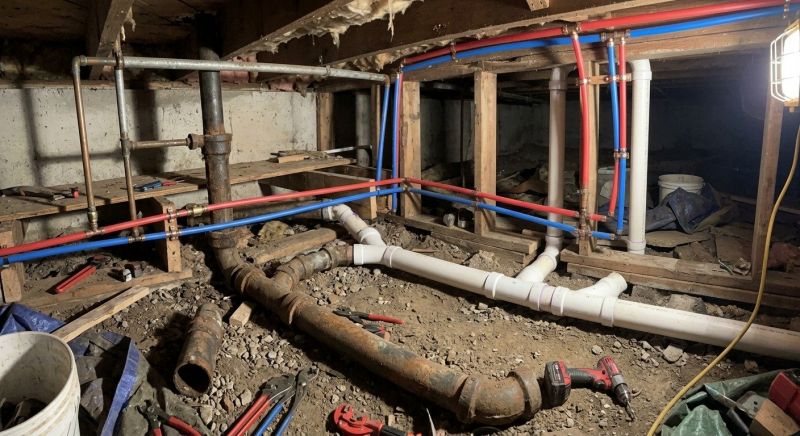
Piping Replacement in Denver, CO
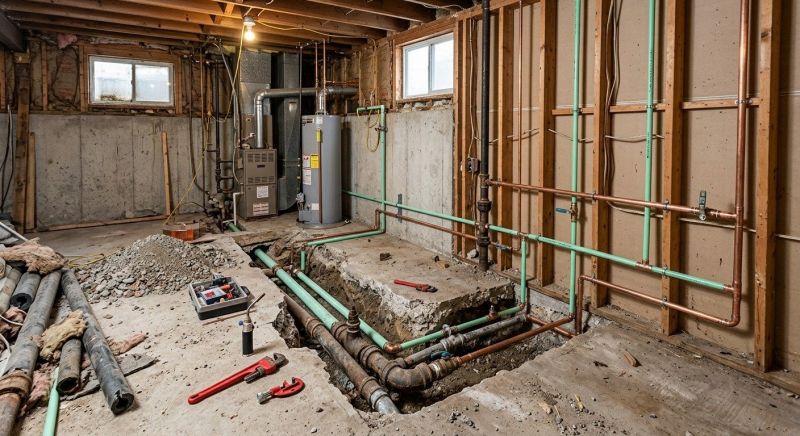
Piping replacement services involve removing and installing new plumbing pipes within a property to ensure reliable water flow and drainage. This service often covers projects such as replacing aging or damaged pipes, upgrading to modern materials, or rerouting plumbing systems during renovations or additions. Homeowners typically seek this service when experiencing frequent leaks, low water pressure, or signs of pipe deterioration, aiming to prevent potential water damage and maintain proper plumbing function.
Before requesting piping replacement, property owners usually want to understand the scope of work involved, including the materials used, the expected duration of the project, and any necessary disruptions to daily routines. It’s also common to inquire about the condition of existing pipes to determine whether a full replacement or partial repairs are appropriate. Having clear information about the process helps homeowners make informed decisions to maintain the safety and efficiency of their plumbing systems.
Many property owners in Denver, CO look into Piping Replacement for repairs, replacements, upgrades, and appearance-related improvements.
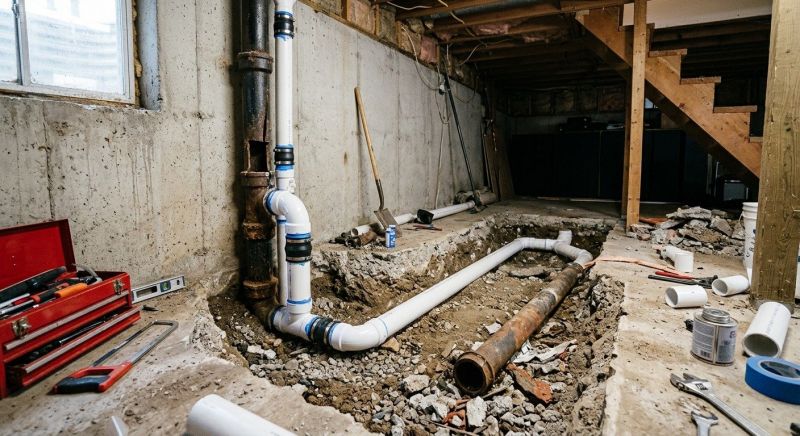
Signs You Need Piping Replacement
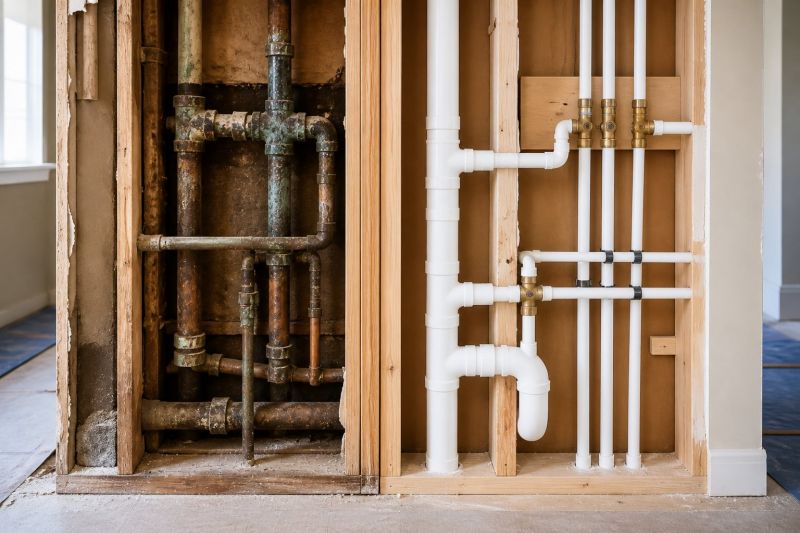
Corrosion, leaks, or reduced water pressure may indicate the need for pipe replacement.
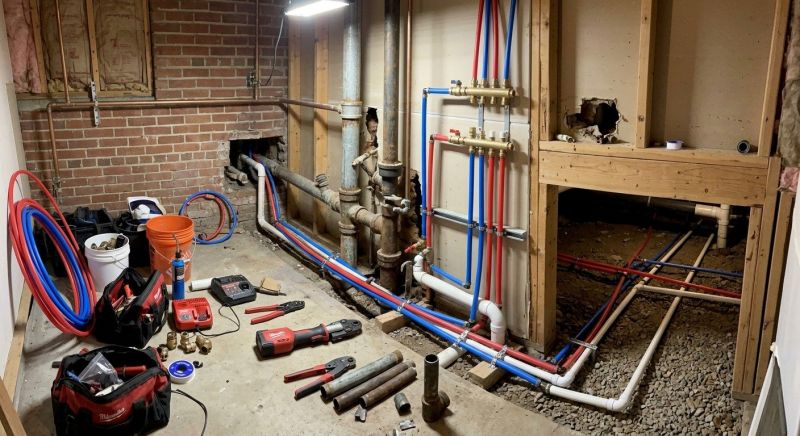
Types Of Piping Systems
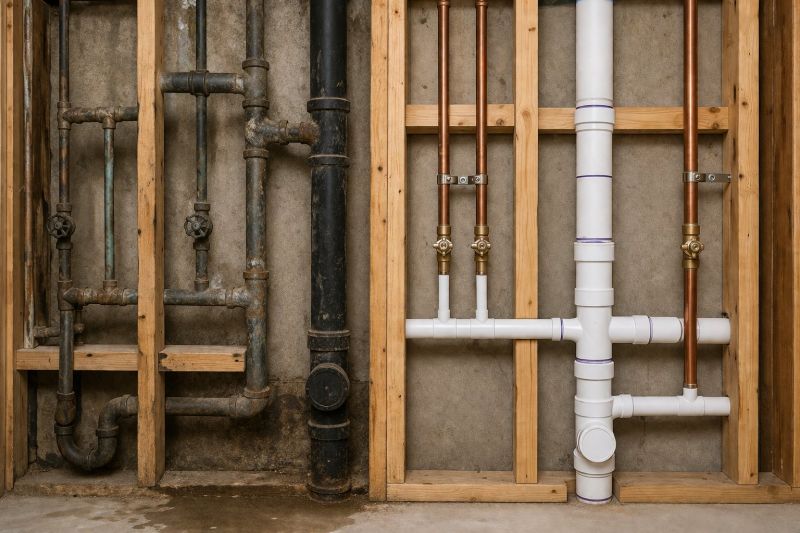
Different materials like copper, pex, and galvanized pipes are used in residential and commercial properties.
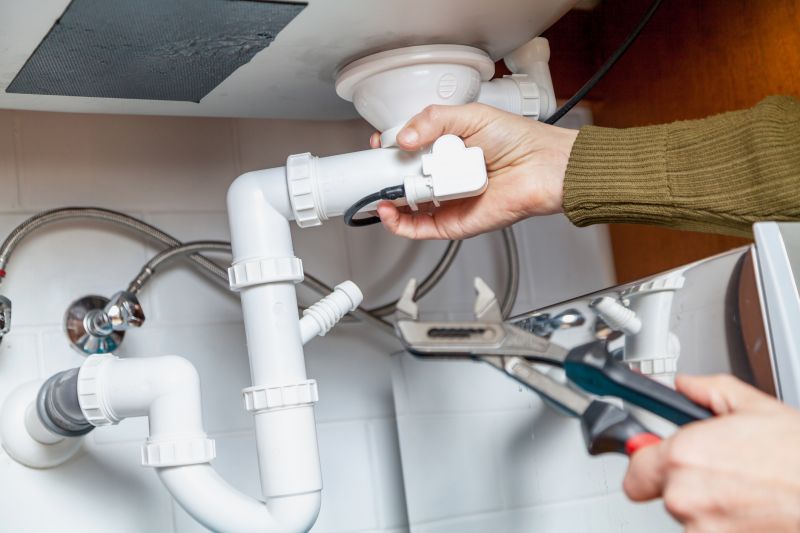
Benefits Of Replacing Old Pipes
Upgrading piping can improve water quality, prevent damage, and enhance overall plumbing performance in denver homes.
Piping Replacement in Denver, CO

Piping replacement services involve removing and installing new plumbing pipes within a property to ensure reliable water flow and drainage. This service often covers projects such as replacing aging or damaged pipes, upgrading to modern materials, or rerouting plumbing systems during renovations or additions. Homeowners typically seek this service when experiencing frequent leaks, low water pressure, or signs of pipe deterioration, aiming to prevent potential water damage and maintain proper plumbing function.
Before requesting piping replacement, property owners usually want to understand the scope of work involved, including the materials used, the expected duration of the project, and any necessary disruptions to daily routines. It’s also common to inquire about the condition of existing pipes to determine whether a full replacement or partial repairs are appropriate. Having clear information about the process helps homeowners make informed decisions to maintain the safety and efficiency of their plumbing systems.
Many property owners in Denver, CO look into Piping Replacement for repairs, replacements, upgrades, and appearance-related improvements.
Common Piping Replacement Jobs
Pipe Replacement - Upgrading aging or damaged pipes to improve plumbing reliability.
Whole-House Repipe - Replacing all household pipes to prevent leaks and ensure water quality.
Fixture Replacement - Swapping out outdated or faulty pipes connected to sinks, toilets, and appliances.
Emergency Pipe Replacement - Quickly replacing burst or leaking pipes to minimize water damage.
Drain Pipe Replacement - Installing new drain lines to improve wastewater flow and prevent clogs.
Main Water Line Replacement - Upgrading the primary water supply line for consistent water pressure.
Piping Replacement Questions
What are signs that piping needs replacement? Signs include frequent leaks, low water pressure, rust-colored water, or visible corrosion on pipes.
What types of pipes are commonly replaced? Copper, galvanized steel, and PVC pipes are often replaced due to age or damage.
Why should property owners consider replacing old pipes? Replacing aging pipes can prevent leaks, water damage, and improve water quality.
What projects typically involve piping replacement? Common projects include plumbing upgrades, repairs after pipe bursts, or remodeling renovations.
Request Piping Replacement in Denver, CO
Use the quote form on this page to share the basics of your project and request more information for the type of work you need.